By Amie Knowles
It might be difficult to believe, but Thanksgiving is already less than three weeks away—and the holiday when people often gather to eat a big meal together brings another thought to the forefront of my mind: food insecurity.
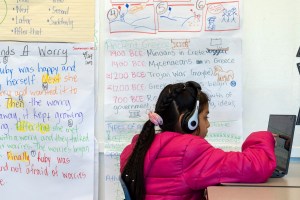
I remember interviewing a school nutrition director and some cafeteria managers when I worked exclusively in the Martinsville-Henry County area. Despite the differences in school divisions, the program leaders each told me the same thing: for some of the students, the food they received at school was the only portion they got for the remainder of the day.
Needless to say, the no-cost school meals helped local families a lot during the week. Then came the weekends.
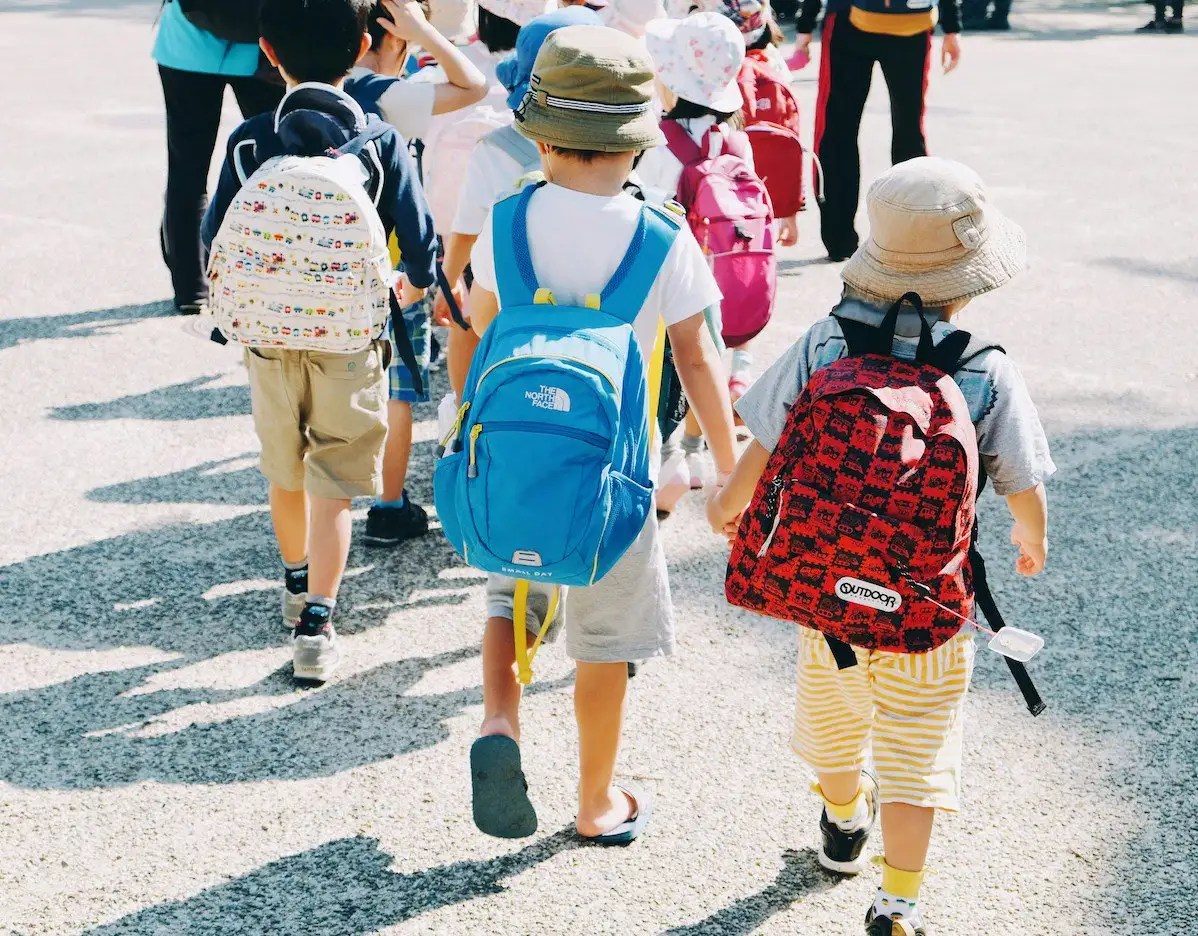
Through a local “backpack program” headed up by the Community Storehouse in Martinsville, students with families facing financial struggles would receive a backpack on Friday filled with kid-friendly foods to enjoy when school wasn’t in session on Saturday and Sunday. I asked what folks could donate, and the director gave three basic guidelines. Be sure the kids could 1) open it, 2) make it, and 3) enjoy it. So, the single serve pop-top pastas or instant mac and cheese were great, but the ingredients for a kale smoothie? Not so much.
Even though that was nine or 10 years ago—and places like the Community Storehouse, Grace Network, the Martinsville Salvation Army, and other local organizations make an incredible impact on the area—Martinsville maintains one of the top 20 highest food insecurity rates for children in the commonwealth. But it isn’t just an issue in the Southwest—nearby Danville, in the Southside region, had a 33% food insecurity rate for children in 2024, and Emporia, held the highest rate in the state at 35%.
If you’re able, consider donating, volunteering, or simply spreading the word about local programs that help fill those meal gaps. Because while hunger doesn’t take weekends off, neither do the people working to fight it.